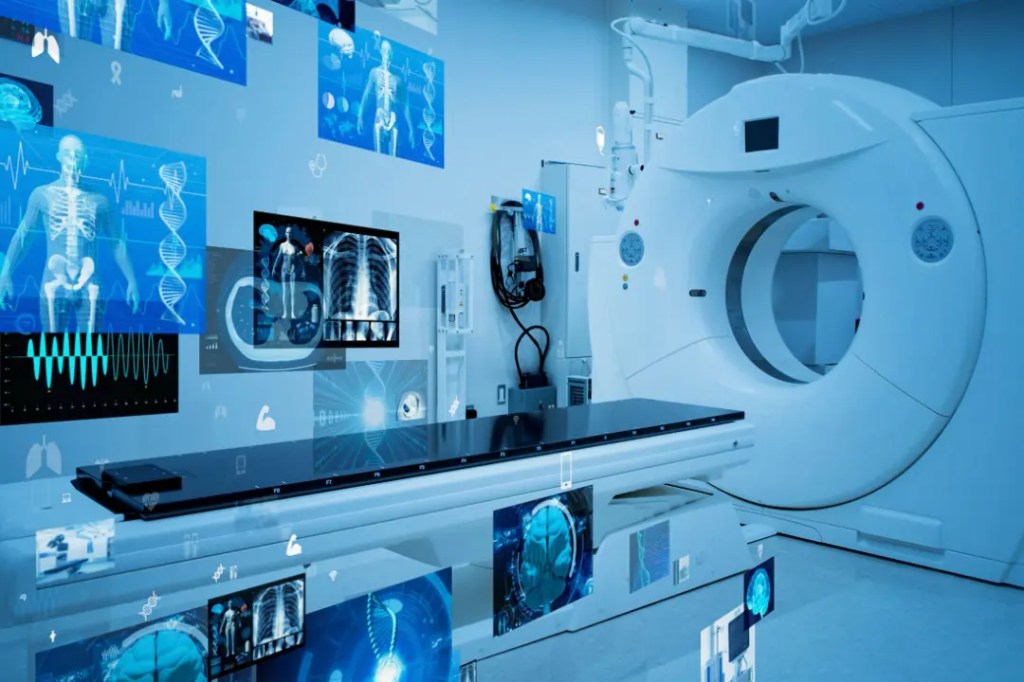
Healthcare professionals make thousands of clinical decisions every day. From diagnosing illnesses and planning treatments to monitoring recovery and assessing disease progression, these decisions depend on accurate and timely information. One of the most important tools that supports modern healthcare is medical imaging.
Medical imaging allows healthcare professionals to visualise structures and processes within the human body without the need for invasive surgery. It provides critical information that helps clinicians identify abnormalities, confirm diagnoses, monitor conditions, and guide treatment decisions. In many cases, medical imaging can mean the difference between early detection and delayed diagnosis, making it one of the most valuable resources in modern medicine.
But what exactly is medical imaging, and why has it become such an essential part of healthcare?
Understanding Medical Imaging
Medical imaging refers to the use of specialised technologies to create visual representations of the internal structures of the body. These images help healthcare professionals understand what is happening beneath the surface, allowing them to identify injuries, diseases, and abnormalities that cannot be detected through physical examination alone.
Today, medical imaging is used across almost every medical specialty, including emergency medicine, oncology, cardiology, orthopaedics, neurology, obstetrics, and many others.
Whether a patient arrives at hospital with chest pain, a suspected fracture, neurological symptoms, or concerns about cancer, imaging often plays a central role in determining the next steps in their care.
The Main Types of Medical Imaging
X-Ray Imaging:
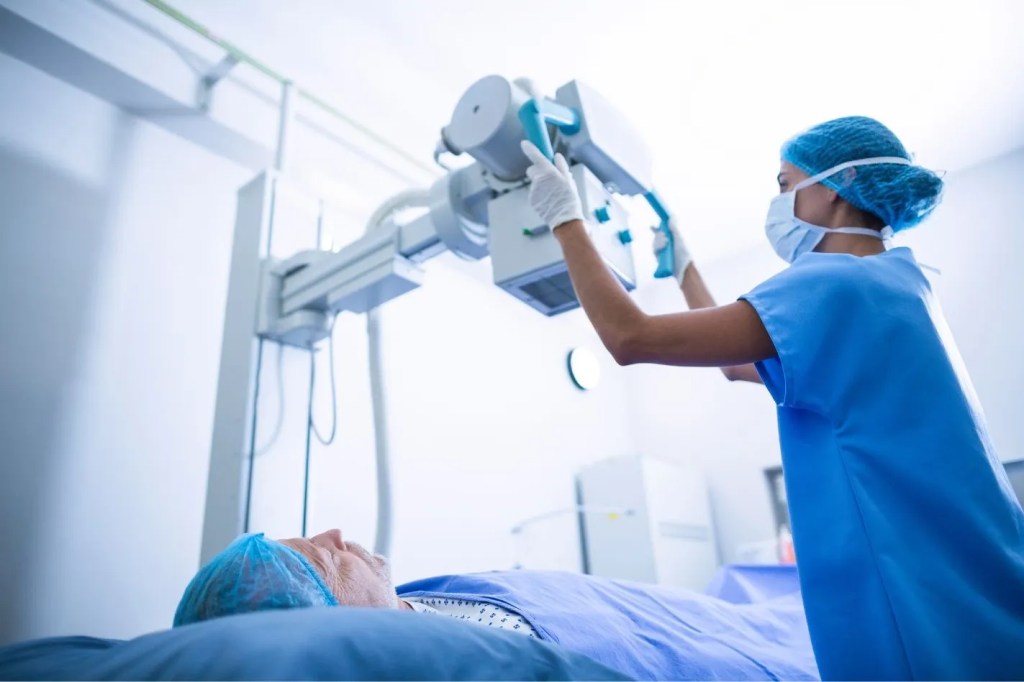
X-ray imaging is one of the oldest and most widely used forms of medical imaging. It uses controlled amounts of radiation to produce images of structures within the body, particularly bones and certain organs.
X-rays are commonly used to diagnose fractures, detect infections, identify chest conditions such as pneumonia, and evaluate a variety of other medical concerns. Due to their speed and accessibility, millions of X-ray examinations are performed worldwide each year.
Computed Tomography (CT):
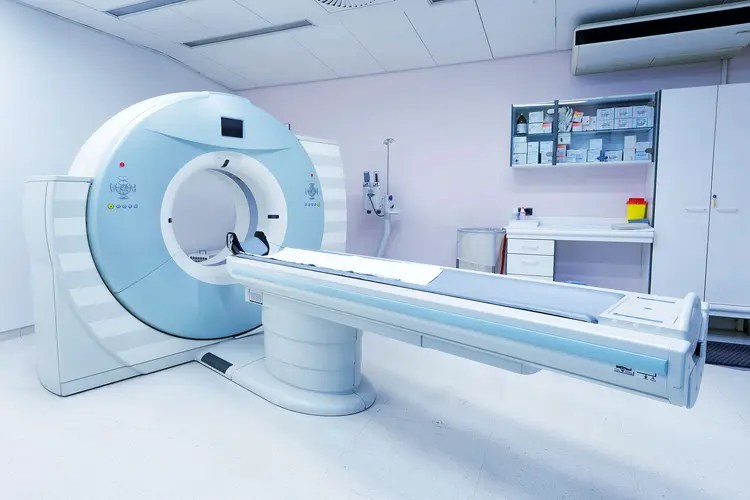
Computed Tomography, commonly known as CT scanning, combines multiple X-ray images with advanced computer processing to create detailed cross-sectional images of the body.
CT scans provide significantly more detail than traditional X-rays and are frequently used in emergency departments to assess trauma patients, investigate strokes, identify internal injuries, and support cancer diagnosis and treatment planning.
Because CT imaging produces highly detailed anatomical information, it has become an indispensable tool in modern healthcare.
Magnetic Resonance Imaging (MRI):
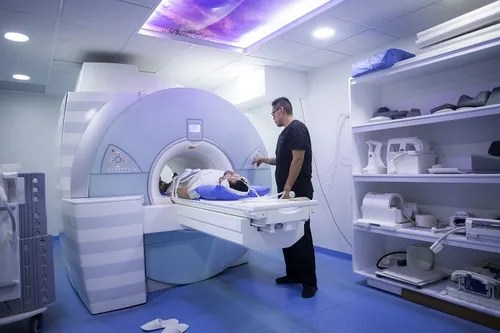
MRI uses powerful magnetic fields and radio waves to create highly detailed images of soft tissues and organs.
Unlike X-rays and CT scans, MRI does not use ionising radiation. It is particularly valuable for examining the brain, spinal cord, joints, muscles, ligaments, and internal organs.
MRI plays an important role in diagnosing neurological conditions, musculoskeletal injuries, cardiovascular diseases, and many forms of cancer.
Ultrasound Imaging:
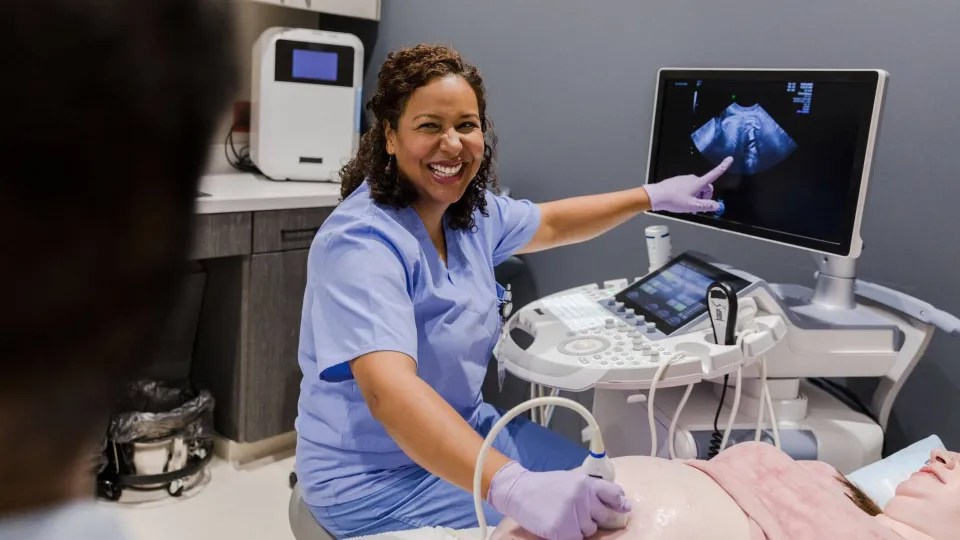
Ultrasound uses high-frequency sound waves to generate real-time images of structures within the body.
Most people associate ultrasound with pregnancy scans, but its applications extend far beyond obstetrics. Ultrasound is widely used to assess abdominal organs, blood vessels, soft tissues, and cardiac function.
Because it does not involve ionising radiation and provides immediate visual feedback, ultrasound remains one of the safest and most versatile imaging modalities available.
Nuclear Medicine and PET Imaging:
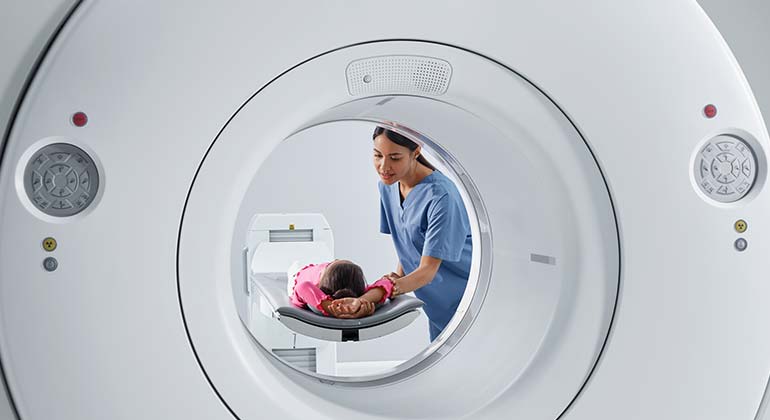
Nuclear medicine differs from other imaging methods because it focuses on how organs and tissues function rather than simply how they appear.
Small amounts of radioactive material are administered to patients, allowing clinicians to observe physiological processes within the body. Positron Emission Tomography (PET) scans, often combined with CT imaging, are commonly used in oncology to identify cancer activity and monitor treatment response.
These advanced techniques provide valuable insights that are often unavailable through conventional imaging alone.
Why Medical Imaging Matters
Medical imaging has transformed healthcare by providing clinicians with a window into the human body. Its importance extends far beyond diagnosis and influences nearly every stage of the patient journey.
Earlier Detection of Disease:
Many serious conditions can be detected before symptoms become severe through the use of medical imaging.
Early detection is particularly important for diseases such as cancer, cardiovascular conditions, and neurological disorders. Identifying these conditions at an earlier stage often leads to more effective treatments and significantly improved patient outcomes.
More Accurate Diagnoses:
Accurate diagnosis is fundamental to effective healthcare. Medical imaging provides objective visual evidence that helps clinicians confirm or rule out suspected conditions.
Without imaging, many diagnoses would rely solely on symptoms and clinical examination, increasing the risk of uncertainty and delayed treatment.
Supporting Treatment Decisions:
Imaging plays a crucial role in treatment planning.
Surgeons rely on imaging before performing procedures. Oncologists use imaging to assess tumour size and spread. Cardiologists use imaging to evaluate heart function. Across healthcare, imaging provides the information needed to make informed clinical decisions.
Monitoring Disease and Recovery:
Medical imaging allows healthcare professionals to track how conditions change over time.
This is particularly important for patients undergoing cancer treatment, rehabilitation, long-term disease management, or post-operative recovery. Repeat imaging can help determine whether treatments are working and whether adjustments are needed.
Improving Patient Outcomes:
Ultimately, the purpose of medical imaging is to improve patient care.
By enabling faster diagnoses, supporting clinical decision-making, and helping healthcare professionals deliver targeted treatments, imaging contributes directly to better patient outcomes and improved quality of life.
The Professionals Behind the Images
Behind every scan is a team of highly skilled healthcare professionals.
Radiographers are responsible for operating imaging equipment, positioning patients correctly, ensuring patient safety, and producing high-quality diagnostic images. Their technical expertise and patient-centred approach are essential to the imaging process.
Radiologists are specialist doctors who interpret medical images and provide reports that guide diagnosis and treatment.
Together, radiographers, radiologists, nurses, healthcare support workers, physicists, engineers, and information technology specialists contribute to the delivery of safe and effective imaging services.
Technology and the Future of Medical Imaging
The field of medical imaging is evolving rapidly.
Artificial intelligence is beginning to assist with image interpretation and workflow management. Advanced data analytics are helping healthcare organisations understand service demand and improve operational efficiency. Cloud-based systems and digital imaging platforms are enabling faster access to diagnostic information across healthcare networks.
As imaging departments face increasing demand, workforce pressures, and growing patient expectations, technology is expected to play a significant role in supporting healthcare professionals and improving service delivery.
The future of medical imaging will likely involve greater integration between clinical expertise, artificial intelligence, healthcare data, and digital innovation.
Final Thoughts
Medical imaging is one of the foundations of modern healthcare. Every day, imaging professionals help clinicians diagnose disease, plan treatments, monitor recovery, and improve patient outcomes.
From X-rays and CT scans to MRI, ultrasound, and emerging technologies, medical imaging enables healthcare professionals to see what would otherwise remain hidden. It supports better clinical decisions, more effective treatments, and ultimately better care for patients.
As healthcare continues to embrace innovation, medical imaging will remain at the centre of efforts to improve diagnosis, enhance efficiency, and deliver higher-quality patient care for future generations.
ABOUT THE AUTHOR:

Hi, I’m Ogochukwu Kester Agolo, the creator of Imaging Journal. I’m an aspiring radiographer with a background in healthcare and computing, documenting my journey into the world of medical imaging. Through this blog, I share what I’m learning about radiography, radiology, healthcare technology, and the future of diagnostic imaging as I work towards a career in the profession.


Leave a Reply